Copyrightable Items Vector Template Review
First Impressions: A Visual Journey Through Design
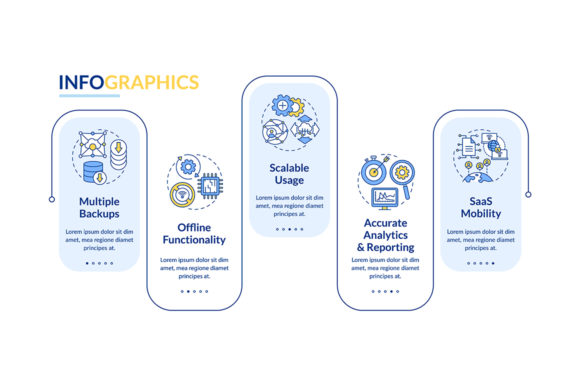
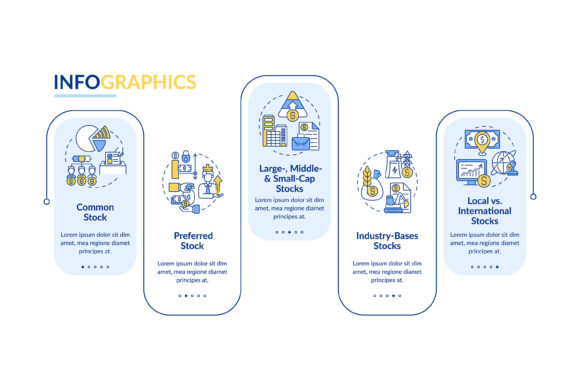
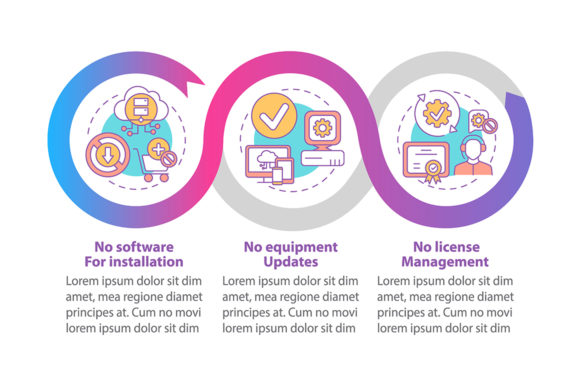
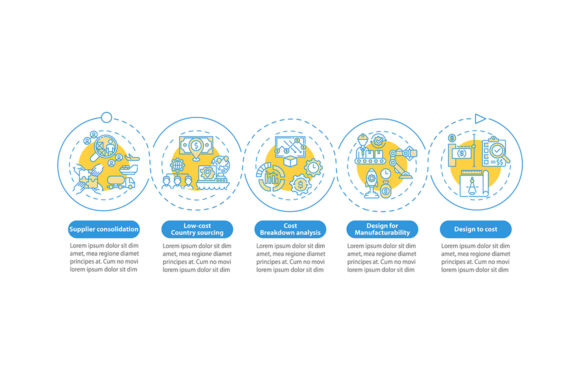
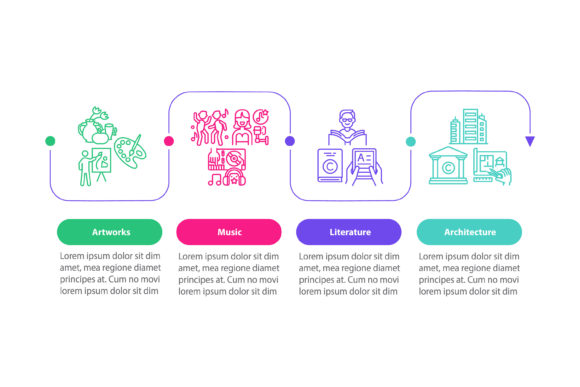
At first glance, the Copyrightable Items Vector Template feels like a well-structured visual roadmap. Its clean layout and use of linear icons immediately suggest a theme centered around process and clarity. The four-step data visualization and timeline chart create a sense of order that’s both professional and approachable. It’s the kind of design that makes you think about how it might translate into a tangible embroidered product—something that could easily fit into a handmade tote bag or a custom patch for a small business.
The mood it creates is one of structured creativity. It doesn’t scream for attention but instead invites curiosity. This makes it ideal for projects where the message is more important than the flash. I can already picture this design stitched onto a baby onesie with subtle details, or as part of a personalized gift that tells a story through its visuals.
Real-Life Embroidery Application: From Concept to Fabric
Let’s say I’m preparing a custom embroidered tote bag for a client who runs an online store specializing in creative tools. The Copyrightable Items Vector Template would be perfect for illustrating their brand’s workflow on fabric. The linear icons and step-by-step layout translate well into embroidery, especially when using satin stitch for the main elements and running stitch for the connecting lines.
On a medium-sized hoop, the design maintains its integrity without feeling cluttered. However, if I were to scale it down for a smaller item like a cap or a patch, I’d need to simplify some of the finer details to avoid losing clarity during stitching. This is where testing on scrap fabric becomes essential. Checking thread color contrast is also key—especially if the final product will be on dark fabric, which could make certain colors less visible.
For a project like a sweatshirt or t-shirt, the Copyrightable Items Vector Template offers enough detail to stand out but not so much that it overwhelms the garment. It works well as a standalone applique design or as part of a larger graphic. On a tote bag, the design can be placed strategically, such as near the bottom or along the side, depending on the overall composition.
When it comes to baby items, like a onesie or a blanket, the template’s clean and organized nature ensures it won’t feel too busy for young eyes. It can be paired with other simpler designs to create a cohesive look without sacrificing visual appeal.
Where to Use with Caution
While the Copyrightable Items Vector Template is versatile, there are scenarios where it needs careful handling. For instance, on stretchy fabrics like knits or jerseys, the design might distort slightly unless proper stabilizer is used. Similarly, if the design includes tiny lettering or intricate corners, those areas may require extra attention during stitching to maintain sharpness.
Using this template on dark fabric can also pose challenges. The contrast between the design and the background is crucial for visibility. Testing the design in black and white mockups before finalizing the thread colors helps identify potential issues early on.
Additionally, when placing the design on curved surfaces like caps or mugs, adjusting the layout to follow the curve is necessary. This means reviewing the stitch density and ensuring that the design adapts well to the contours of the product without losing its intended message.
Design Impact on Product Value and Customer Experience
The Copyrightable Items Vector Template adds a layer of professionalism to any handmade product. Whether it's a personalized gift, a boutique branding element, or an Etsy listing, this design elevates the presentation. It conveys a sense of organization and thoughtfulness that customers appreciate, especially in niche markets like craft businesses or digital product sellers.
From a commercial standpoint, the design’s structured appearance supports brand consistency. It can be used across multiple products—like patches, aprons, or pillow covers—to create a unified visual identity. This is particularly valuable for small shop owners looking to build recognition through consistent design elements.
Visually, the design enhances the finished product by adding depth and meaning. It’s not just an embellishment; it communicates a purpose. That kind of storytelling increases buyer engagement and can even influence purchasing decisions, especially for those seeking meaningful gifts or branded merchandise.
Practical Embroidery Designer Notes
Before committing to using the Copyrightable Items Vector Template, here are a few practical steps to consider:
- Test on scrap fabric: Always test the design on a sample piece of fabric to see how it looks after stitching.
- Check thread color contrast: Ensure the chosen thread colors provide enough visibility against the fabric background.
- Review stitch density: Adjust the stitch count if needed, especially for delicate or stretchy fabrics.
- Confirm hoop size: Make sure the design fits within your available hoop sizes and adjust accordingly.
- Inspect small details: Look closely at intricate parts of the design to ensure they remain clear after stitching.
- Test in black and white mockups: This helps assess how the design will look on different fabric colors.
- Use proper stabilizer: Especially important for stretchy or textured fabrics to prevent distortion.
- Check licensing terms: Confirm whether the design can be used for both personal and commercial projects before selling finished items or digital products.
The Copyrightable Items Vector Template is a strong choice for designers looking to add structured visuals to their embroidery projects. With thoughtful application, it can transform simple garments into meaningful, professional-looking pieces that resonate with customers and elevate the value of any handmade product.