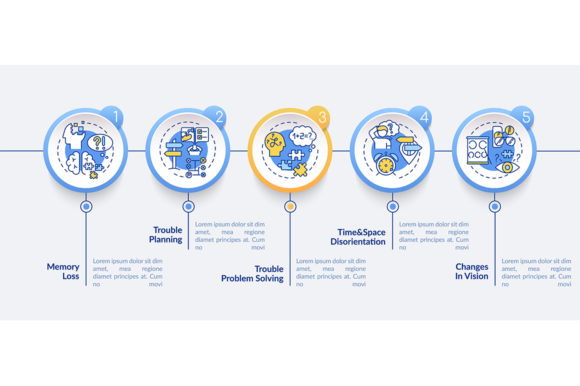
Early Signs of Alzheimer Infographic
As a brand designer and content marketer, I recently came across the Early Signs of Alzheimer vector infographic template, and it immediately caught my attention for its clean structure and thoughtful data visualization. This design asset is more than just a graphic—it’s a strategic tool that can elevate your marketing visuals while delivering key information in a digestible format.
First Impressions: A Visual Language That Speaks Volumes
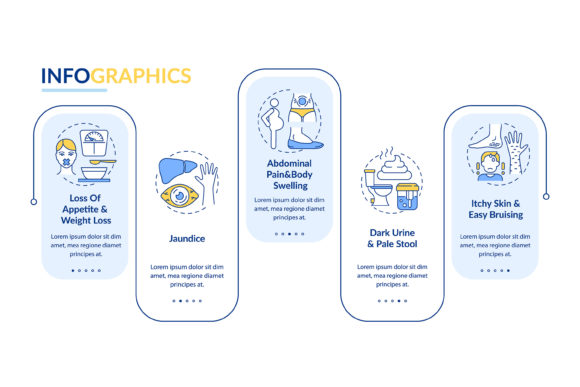
The Early Signs of Alzheimer Infographic brings a calm yet informative mood to the table. It uses a structured layout with a linear workflow, which creates a sense of clarity and purpose. The use of icons and step-by-step visual storytelling helps establish an emotional tone that’s both professional and approachable. This makes it ideal for lifestyle content, health awareness campaigns, or educational materials targeting audiences interested in cognitive well-being.
Its design feels modern and adaptable, making it suitable for casual branding, editorial graphics, and even commercial marketing materials. The muted color palette ensures it doesn’t overpower other brand elements, allowing it to blend seamlessly into various contexts.
Real-World Application: How It Fits Into Branding and Marketing Workflows
Imagine launching a new health supplement line focused on brain health. This infographic could serve as the foundation for your product launch visuals, social media posts, or email banners. Its 5-step process timeline and dementia symptoms presentation elements make it a powerful tool for explaining complex topics in a way that resonates with your audience.
For small businesses or creative entrepreneurs, this infographic can be used in multiple ways:
- Social Media Graphics: Use it as part of a series of Instagram posts or Pinterest pins about early detection and prevention.
- Blog Graphics: Insert it into articles or webinars discussing Alzheimer's awareness, making the content more engaging and visually rich.
- Printable Design: Offer it as a downloadable resource in your lead magnet bundle to build trust and provide value to your subscribers.
- Packaging Accents: Incorporate subtle elements from the infographic into product labels or packaging inserts for a cohesive look.
Supporting Marketing Goals Through Visual Consistency
One of the biggest advantages of using this graphic design asset is how it supports stronger first impressions and clearer visual hierarchy. By organizing information in a logical sequence, it helps guide the viewer’s eye and reinforces your message without overwhelming them.
Consistent use of this infographic across different platforms—like Canva templates, digital ads, or email banners—can help build stronger recognition and emotional connection with your audience. When paired with the right typography, such as a clean sans serif or a modern display font, it adds a layer of professionalism that enhances your brand identity.
This infographic also plays a role in improving audience trust by presenting information in a transparent, organized manner. Whether you're promoting a product, running a campaign, or creating content for a blog, it helps establish credibility and authority in your niche.
Where This Infographic Shines: Best Use Cases
The Early Signs of Alzheimer Infographic excels in scenarios where clear communication and visual storytelling are essential. Here are some of the best places to use it:
- Campaign Headers: As a hero graphic for a health awareness campaign or product launch.
- Branded Templates: Integrate it into your design bundle for social media covers or printable promotions.
- Editorial Layouts: Use it in magazines, newsletters, or digital publications focused on wellness and health.
- Decorative Brand Elements: Add it as a background or accent in merchandise like stickers or posters.
Use With Caution: Limitations and Considerations
While this infographic is highly versatile, there are certain situations where it may not perform as effectively. For example, it might not be the best fit for dense information layouts or overly minimal brands where it could feel out of place. It should also be used carefully in small mobile graphics, where readability could be compromised.
Additionally, when using it in formal corporate branding or text-heavy ads, ensure it complements rather than competes with the main message. Testing it against competitor visuals can help determine whether it aligns with your brand’s voice and aesthetic.
Practical Design Notes for Brand Owners and Marketers
If you’re considering integrating this infographic into your marketing strategy, here are some practical steps to follow:
- Test with Your Brand Palette: Ensure the colors match your existing brand identity or adjust them accordingly.
- Check Black and White Usage: Confirm that the design remains legible in grayscale, especially if it will be printed or used in low-color environments.
- Preview on Mobile Screens: Test how it looks on smaller devices to avoid issues with spacing and readability.
- Compare Font Pairings: Experiment with different typefaces to see what works best with the infographic’s style.
- Confirm Commercial Licensing: Always check the licensing terms before using it in paid campaigns or client work.
In conclusion, the Early Signs of Alzheimer vector infographic template is a valuable creative design asset that can support a wide range of marketing and branding efforts. Whether you're building a content kit, refreshing your social media visuals, or designing promotional materials, this infographic offers a professional, organized, and emotionally engaging way to communicate complex information clearly.