Microplastics Types Vector Infographic for Blog and Website Graphics
As a seasoned blog designer and digital publisher, I've reviewed countless graphic design assets over the years. The Microplastics Types Vector Infographic stands out as a versatile tool that can elevate editorial quality across various content platforms. This infographic template offers a clean, informative approach to visual communication, making it ideal for niche content focused on environmental science, sustainability, or educational publishing.
A First Impression of Visual Clarity and Professionalism
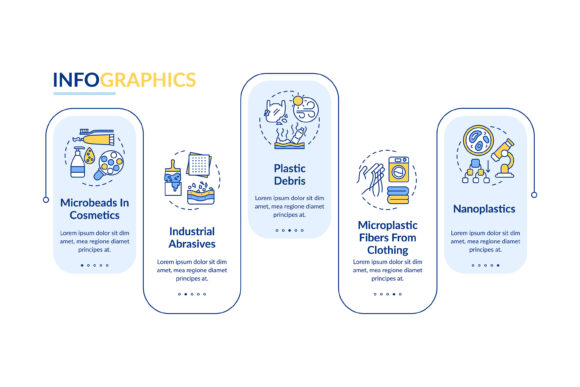
The first thing that strikes me about this design is its clear visual hierarchy. With a data visualization with 5 steps layout, it immediately communicates complexity without overwhelming the viewer. The use of linear icons and a process timeline chart creates an educational yet engaging mood. It feels modern, clean, and slightly scientific, which makes it perfect for content niches that require both credibility and visual appeal.
This infographic naturally supports lifestyle-focused, educational, and professional content. Its aesthetic leans toward being informative rather than decorative, making it suitable for websites that prioritize readability and trust.
Real Publishing Use Cases for Microplastics Types Vector Infographic
When considering real publishing scenarios, this asset shines in several key areas:
- Blog Featured Images: As a hero image, it adds a touch of professionalism while reinforcing the article's topic.
- Pinterest Graphics: The infographic format works well for Pinterest pins, where visual storytelling is crucial for engagement.
- Article Headers: Used as a header, it enhances the visual identity of a post related to environmental issues.
- Newsletter Banners: A great fit for email marketing campaigns focused on sustainability or health topics.
- Downloadable Resources: Ideal for digital guides, worksheets, or lead magnets that require a strong visual anchor.
- Social Media Previews: Perfect for Facebook, Instagram, or LinkedIn posts aiming to educate and inform.
How This Asset Boosts Content Performance
Using this infographic in your content strategy can significantly enhance your editorial output. Here’s how:
- Stronger First Impressions: The structured layout and clean design help capture attention quickly.
- Clearer Visual Hierarchy: The five-step data visualization ensures information is easy to follow and digest.
- Better Click-Through Potential: Eye-catching visuals increase the likelihood of users clicking through to your content.
- More Consistent Branding: Integrating this infographic into your site helps maintain a cohesive brand identity.
- Improved Reader Trust: A polished, professional look reinforces credibility and authority in your niche.
Where This Design Works Best
This graphic design asset performs exceptionally well in the following contexts:
- Hero Images: On landing pages or homepage banners where visual impact matters most.
- Article Thumbnails: For content discovery on blogs or news sites.
- Pinterest Pins: When creating shareable content around microplastics awareness.
- Blog Graphics: As standalone images or part of a larger editorial layout.
- Content Upgrades: To offer additional value with downloadable resources or printable designs.
- Category Visuals: Helping readers recognize content sections at a glance.
- Social Media Previews: Enhancing the appearance of links shared across platforms.
Use with Caution in These Scenarios
While the Microplastics Types Vector Infographic is highly adaptable, there are certain situations where it may not be the best choice:
- Small Mobile Thumbnails: The details may get lost when scaled down too much.
- Text-Heavy Blog Images: It might compete with dense text blocks for attention.
- Low-Contrast Backgrounds: Could reduce readability if not paired with the right color schemes.
- Busy Layouts: Might feel cluttered when placed among other graphics.
- Corporate or Minimalist Sites: May not align with very strict or minimal visual systems.
Practical Publisher Notes for Optimal Results
To ensure this infographic works seamlessly within your editorial workflow, consider these tips:
- Test on Multiple Devices: Check how it looks on desktop and mobile screens.
- Preview in Real Context: Place it inside your blog layout to see how it interacts with surrounding elements.
- Review Contrast and Readability: Ensure text and icon clarity, especially when using black and white versions.
- Experiment with Fonts: Try pairing it with serif, sans serif, script, or display fonts to find the best match.
- Optimize File Size: Compress images properly for web performance without sacrificing quality.
- Confirm Licensing: Always verify commercial licensing before using it on monetized sites, affiliate pages, or paid products.
Final Thoughts on Microplastics Types Vector Infographic
The Microplastics Types Vector Infographic is more than just a design asset—it's a strategic tool for content creators looking to improve their visual storytelling. Whether you're building a digital guide, creating social media graphics, or enhancing website branding, this infographic provides a solid foundation for editorial design. By integrating it thoughtfully into your publishing workflow, you can create content that not only informs but also engages and converts effectively.