Paper Cut Liquid Infographic Four Review
First Impressions: A Visual Journey Through Design
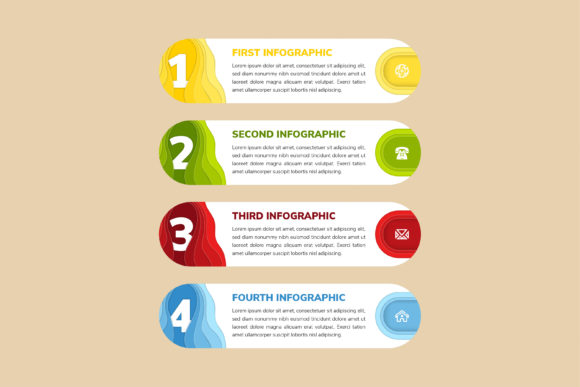
When I first laid eyes on Paper Cut Liquid Infographic Four, it felt like a breath of fresh air in the world of machine embroidery. The design carries a clean, modern vibe with its papercut style and flat colors, which immediately caught my attention. It’s not overly complex, but there's enough detail to make it stand out without overwhelming the viewer.
The horizontal layout with four steps gives it a natural flow, perfect for storytelling or visual timelines. The 3D wave element adds a subtle dimension that makes the infographic feel more dynamic than a standard flat graphic. This kind of detail can elevate a simple embroidered patch into something that feels intentional and well-crafted.
Real-World Application: What Projects Does It Fit?
I often find myself thinking about how a design will translate from screen to fabric. For instance, if I were designing a custom embroidered tote bag for a small shop product, this infographic would work beautifully as a decorative accent or as part of a larger branding motif.
Imagine a sweatshirt embroidery project where the client wants to communicate a process or timeline visually. Paper Cut Liquid Infographic Four could be used to illustrate a four-step guide, such as how to care for a handmade item or the stages of a DIY project. It’s also ideal for holiday embroidery or nursery decor, where simplicity and clarity are key.
For custom apparel or embroidered patches, this design brings a professional look that still feels approachable. If you're an Etsy seller or running a craft business, this infographic can be a great addition to your design assets, especially when paired with other graphics in the same style.
It’s also worth considering for printable mockups or digital product previews, where clients can see how the final embroidered product will look before purchasing.
Where to Use with Caution
While Paper Cut Liquid Infographic Four is versatile, there are a few scenarios where extra care is needed. On small hoop sizes, the details might get lost, so I recommend testing the design on scrap fabric first to ensure all elements remain clear.
If working with textured fabrics or thin fabric, using the right stabilizer becomes crucial to maintain the integrity of the design. Similarly, on dark fabric, the flat colors might not pop as expected, so checking thread color contrast is important before committing to a final product.
Stretchy fabric or curved surfaces like caps may require adjustments to the stitch density or placement to prevent distortion. Also, if the design is going to be used on layered garments or products that need frequent washing, ensuring the stitch density is appropriate is essential to avoid fraying or puckering.
Design Notes for Embroidery Professionals
Before diving into any project, I always suggest testing the machine embroidery design on a sample piece of fabric. This helps identify potential issues like tight corners or dense areas that might cause tension during stitching.
Reviewing the embroidery file for satin stitch or fill stitch elements is also key, especially if you’re planning to use this for applique design. If you're unsure about the hoop size required, double-check the design specs or reach out to the designer for clarification.
Testing the design in black and white mockups can help determine whether the contrast is sufficient for different fabric backgrounds. And if you're an Etsy seller or selling finished products, confirming the licensing terms before using the design commercially is non-negotiable.
Lastly, don’t forget to inspect the small details—especially if you're aiming for handmade product quality. Even the smallest icon or line can make a big difference in the final presentation.
Final Thoughts: A Practical Design for Creative Projects
Paper Cut Liquid Infographic Four is a solid choice for anyone looking to add a touch of professionalism and clarity to their embroidery project. Whether you're creating a personalized gift, a small shop product, or a commercial embroidery asset, this design has the versatility and visual appeal to stand out.
As with any digital embroidery file, taking the time to test, adjust, and understand the limitations will help you achieve the best results. With the right preparation, this infographic can become a valuable tool in your creative arsenal.