Qualitative Research Technology for Embroidery Projects
First Impressions: A Clean, Professional Look
When I first opened the Qualitative Research Technology vector infographic template, I was struck by its clean and professional layout. The design feels modern and structured, with a focus on data visualization and process flow. It's clearly intended for presentation or educational purposes, but as an embroidery designer, I immediately saw potential for creative use in custom apparel and handmade products.
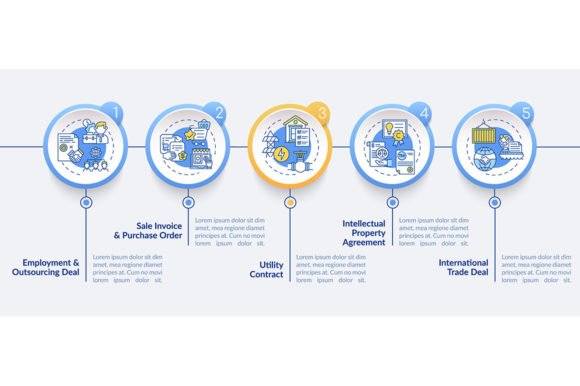
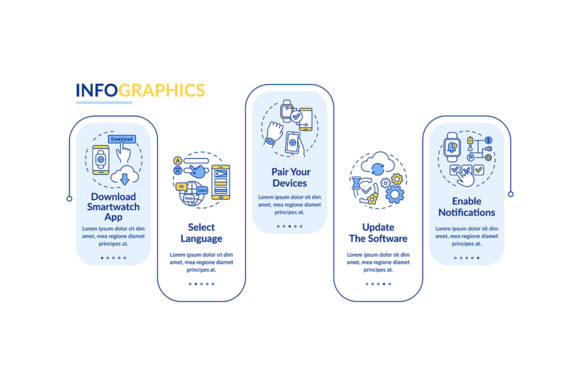
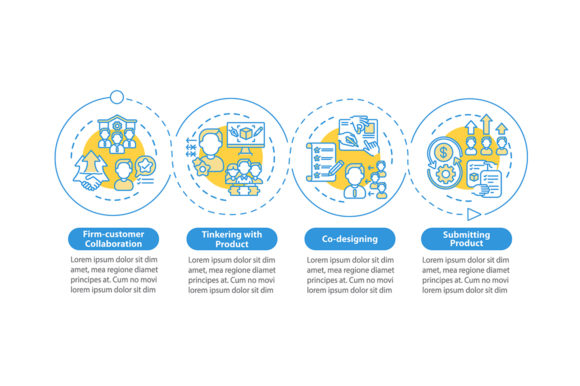
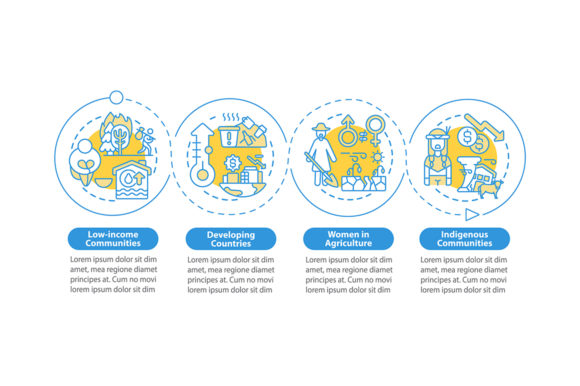
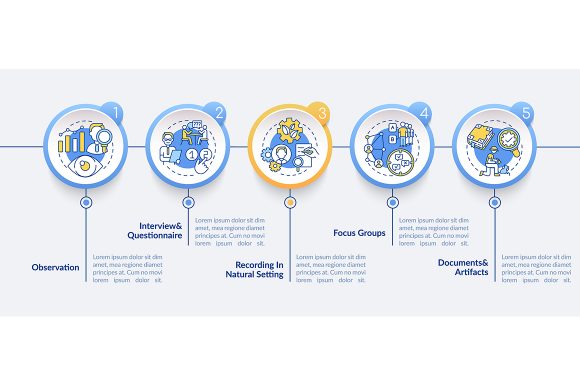
The hypotheses presentation design elements give it a logical feel, while the data visualization with 5 steps makes it easy to follow. This kind of structured layout can be a great fit for embroidered patches, tote bags, or even aprons that need a touch of visual storytelling without being too busy.
Real-Life Scenario: Custom Embroidered Tote Bag
Imagine you're preparing a custom embroidered tote bag for a boutique or small shop product. You want something that communicates professionalism and clarity—maybe for a client who values research and analysis. Qualitative Research Technology could work well here. The process timeline chart and workflow layout with linear icons would translate nicely into a stitched design that’s both informative and visually appealing.
I envision this design as part of a larger collection of handmade products or small shop merchandise. It might not be the best choice for a baby item or holiday gift, but for a personalized gift or commercial embroidery project, it has a strong presence.
However, I’d be cautious about using it on stretchy fabrics like t-shirts or sweatshirts. The linear icons and process timeline might distort slightly if the fabric stretches during washing. For these applications, a stabilizer is essential, and testing the embroidery file on scrap fabric first is always a good idea.
Visual Appeal and Stitching Clarity
Qualitative Research Technology offers a high level of detail that translates well into machine embroidery. The infographic style allows for clear stitching, especially when using a satin stitch or fill stitch around the data visualization elements. However, the complexity of the 5-step process might challenge smaller hoop sizes or tiny lettering.
If used on a tote bag design, the workflow layout could add a professional edge. On a pillow cover or kitchen towel, it might be more subdued but still effective. The thread colors should be chosen carefully to ensure contrast with the fabric, especially on dark fabric or textured fabrics.
For craft business owners or Etsy sellers, this design could be a valuable digital embroidery file that adds value to their product range. It's not overly detailed, so it won't overwhelm the finished product, but it's also not too simple to feel generic.
Where to Use with Caution
While Qualitative Research Technology looks great on flat, non-stretchy surfaces, it may require some adjustments for other materials. Curved surfaces like caps or hats could pose challenges, especially with the timeline chart and linear icons. Similarly, layered garments or decorative accents might obscure parts of the design.
For custom apparel or sweatshirt embroidery, the design should be tested in black and white mockups to see how it looks on different backgrounds. Also, stitch density needs to be reviewed to prevent issues with dense stitch areas or thin fabric.
If you're planning to sell embroidered patches or personalized gifts, make sure to confirm the license terms before offering the finished items for sale. As a commercial embroidery project, the infographic style of this design is versatile but should be paired with the right stabilizer and hoop size.
Design Notes for Embroidery Artists
Here are a few practical tips for using Qualitative Research Technology in your embroidery projects:
- Test on scrap fabric to see how the stitch density and thread colors look before committing to a final product.
- Check contrast on both light and dark fabric backgrounds to ensure visibility.
- Use proper stabilizer when working with thin fabric or textured fabrics.
- Review small details in the vector infographic template to make sure they translate well to embroidery.
- Confirm licensing before selling any finished items or digital product previews.
Qualitative Research Technology is a solid addition to any embroidery project, especially for those looking to add a touch of professionalism to handmade products or small shop merchandise. Whether it's a custom apparel piece or a printable mockup, this design brings structure and clarity to your creative work.