Value Chain Components Infographic for Small Business Graphics
As a brand designer working with local businesses, I've had the chance to explore various graphic design assets. The Value Chain Components Infographic caught my attention immediately. This vector infographic template offers a clean and structured approach to visual storytelling, making it an excellent choice for small business branding and product packaging.
A Structured Approach to Brand Identity
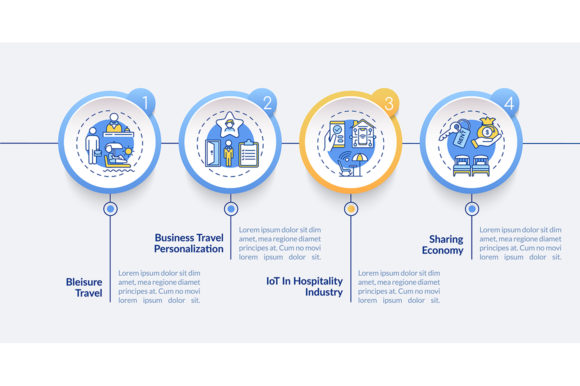
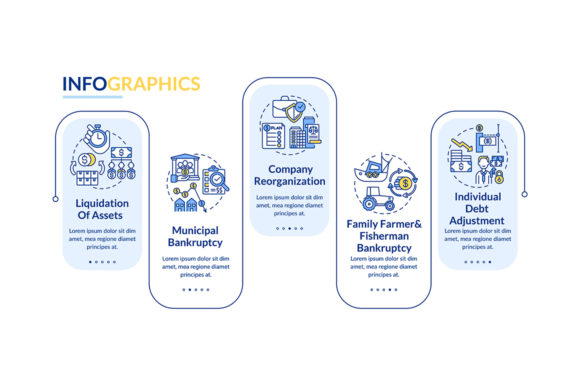
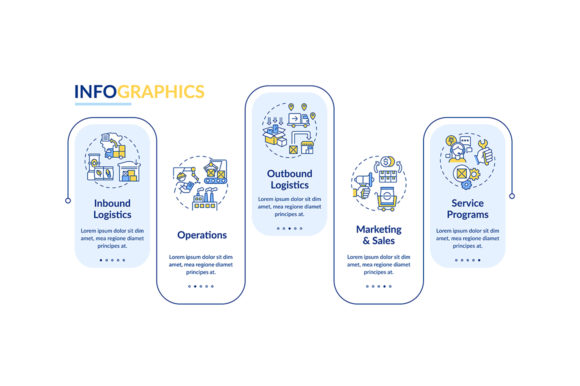
The Value Chain Components Infographic brings a sense of order and clarity to any design project. Its linear icons and data visualization layout suggest a modern, professional feel that can be tailored to fit different brand personalities. Whether you're designing for a boutique store or a handmade soap business, this infographic can help convey a clear message about your process or product journey.
This infographic is particularly well-suited for businesses that want to showcase their workflow in an elegant yet accessible way. It feels more premium than playful, which makes it ideal for brands aiming for a polished look without sacrificing clarity.
Real-World Application in Local Business Design
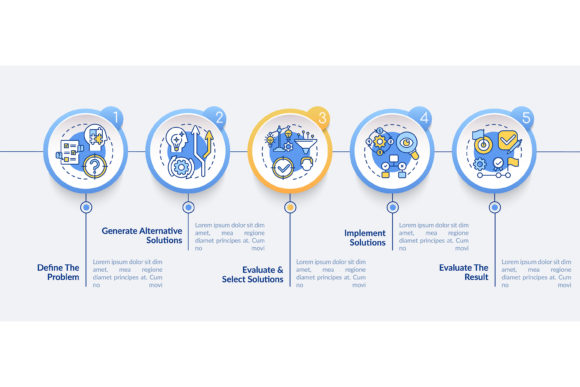
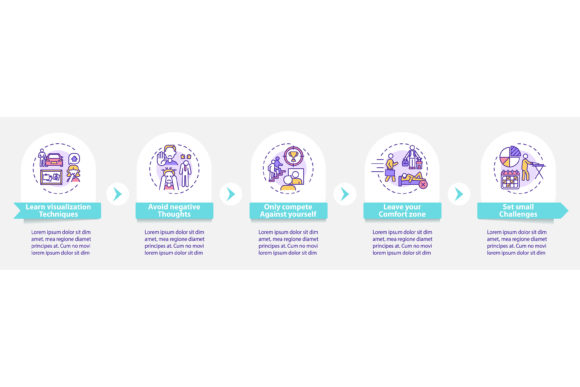
I recently used this infographic while working on a project for a local bakery. We needed visuals that could explain the journey from ingredient sourcing to final product. The Value Chain Components Infographic provided a perfect foundation. With its five-step process timeline, we were able to create eye-catching graphics for our menu boards, social media posts, and even packaging labels.
This asset works exceptionally well in multiple formats. From product mockups to printable inserts, it adds a touch of professionalism. For instance, when designing hang tags for the bakery's seasonal collection, the infographic helped highlight the care and process behind each item, increasing customer trust and engagement.
Enhancing Visual Hierarchy and Brand Consistency
One of the key strengths of the Value Chain Components Infographic is its ability to support stronger visual hierarchy. When placed alongside text, it helps guide the viewer's eye naturally through the content. This is especially useful for promotional materials like flyers, posters, and website banners where information needs to be communicated quickly and clearly.
For businesses looking to maintain consistent brand identity across all touchpoints, this infographic serves as a versatile element. It can be integrated into logo design, brand identity systems, and even digital product packaging to ensure a cohesive look and feel.
Where This Infographic Shines
The Value Chain Components Infographic is most effective in situations where you need to illustrate a process or workflow. It works beautifully as a hero graphic on landing pages, decorative brand elements on packaging, or as part of a larger editorial design for marketing campaigns.
It’s also great for creating promotional banners, thank-you cards, and seasonal campaign visuals. For example, a florist might use it to show the journey from flower sourcing to final arrangement, while a candle brand could highlight the steps involved in crafting their products.
Cautions and Considerations
While this infographic is incredibly versatile, there are certain contexts where it may not be the best fit. It should be used carefully in formal corporate branding or on very small labels where the details might become lost. Additionally, it's important to avoid using it on crowded product packaging or in areas where legal information needs to be displayed prominently.
Designers should also test how it looks with different font styles—serif, sans serif, script, handwritten, and display fonts—to ensure it complements the overall design rather than clashing with it. Checking print quality and PNG transparency is essential, especially if the infographic will be used for physical product sales.
Practical Tips for Using Value Chain Components Infographic
To get the most out of this design asset, I recommend testing it on real packaging mockups. This allows you to see how it performs under different lighting conditions and at various sizes. Also, previewing it in black and white can help determine if it maintains its impact without color.
Before using it for client work, always confirm the commercial license. Ensuring that the asset is properly licensed is crucial for any small business owner or brand designer who wants to maintain compliance and avoid legal issues.
Finally, comparing it with competitor packaging can provide valuable insights into how it stands out visually. This can help refine your brand presentation and make sure your visuals are both unique and effective.
Overall, the Value Chain Components Infographic is a powerful tool for small business branding, offering a clean, structured way to communicate complex processes in an engaging and professional manner. Whether you're designing for product labels, social media graphics, or promotional material, this infographic can elevate your brand's visual storytelling and help build stronger emotional connections with your audience.