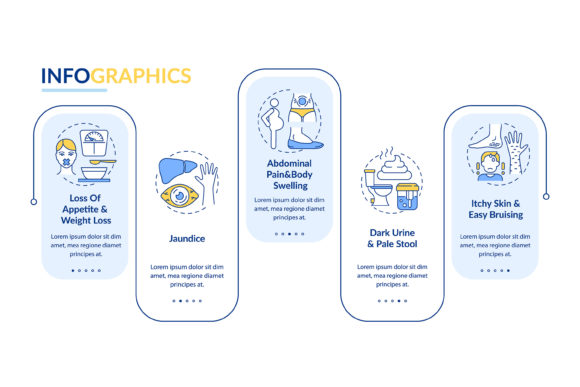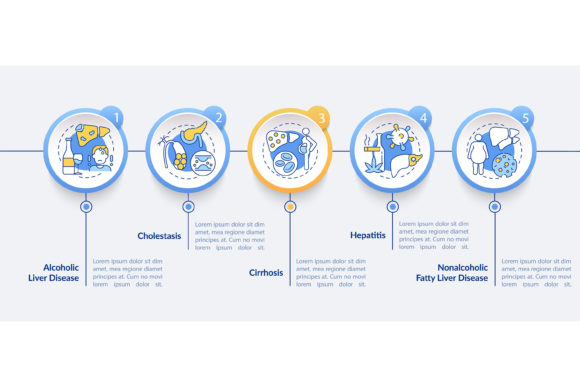
Liver Dysfunction Types Vector Infographic
First Impressions: A Clean, Educational Visual Asset
At first glance, Liver Dysfunction Types feels like a professional graphic design asset tailored for editorial use. Its clean lines and structured layout immediately convey a sense of order and clarity—perfect for content that needs to look both informative and visually appealing. The mood it creates is educational yet approachable, making it ideal for health-focused blogs, medical content creators, or even wellness educators who need to present complex information in digestible chunks.
The infographic’s color palette is muted but not dull, striking a balance between modern design and readability. It feels more lifestyle-focused than purely clinical, which makes it adaptable to a range of content niches without sacrificing its core purpose: to communicate data effectively.
Real Publishing Use Cases: From Blog Headers to Social Media Previews
Liver Dysfunction Types isn’t just a pretty graphic—it’s a functional tool for content publishing. Here’s how it can be used across various digital platforms:
- Blog Featured Images: As an article header, it adds visual interest while reinforcing the topic’s relevance. Pair it with a strong headline for a stronger first impression.
- Pinterest Graphics: The infographic format works well on Pinterest, where users often search for visual guides. This template could be repurposed into a downloadable printable or used as a lead magnet for email lists.
- Newsletter Banners: It can serve as a hero image for newsletter headers, especially when discussing liver health, diet, or medical conditions.
- Social Media Posts: Used as a carousel image or part of a series, it supports content marketing efforts by improving click-through rates with clear visual hierarchy.
- Website Banners: For landing pages or category thumbnails, this infographic helps establish brand identity and improves reader trust through professional visuals.
- Digital Guides & eBooks: As a chapter opener or infographic insert, it enhances the user experience and reinforces key concepts like cholestasis and hepatitis.
Editorial Value: Supporting Content Performance and Branding
This vector infographic brings several editorial benefits to the table. It strengthens the visual hierarchy of your content, guiding readers’ eyes toward important data points such as the five-step process or workflow layout. This kind of structure is crucial for content that needs to be both scannable and engaging.
For bloggers and publishers focused on content marketing, Liver Dysfunction Types can help build a consistent brand identity. Whether you’re using it in a blog post, affiliate marketing materials, or small business branding efforts, the design maintains a modern and clean aesthetic that aligns with professional expectations.
It also boosts reader trust. When your content looks polished and clickable, audiences are more likely to engage with your material. That’s especially important for websites relying on organic traffic, social media shares, or paid content performance metrics.
Where This Design Works Best
Liver Dysfunction Types shines in situations where visual communication is key. It works best as:
- Hero Images: On landing pages or homepage banners, it grabs attention without overwhelming the viewer.
- Article Thumbnails: When paired with descriptive text, it increases the likelihood of clicks from search engines and social media feeds.
- Pinterest Pins: Its infographic nature aligns perfectly with Pinterest’s visual-driven audience.
- Content Upgrades: Offered as a downloadable resource, it adds value to your lead magnets and digital products.
- Category Visuals: For niche topics like health, medicine, or science, it helps categorize content more effectively.
Use with Caution: Avoiding Overuse and Misplacement
While Liver Dysfunction Types is a versatile graphic design asset, it may not be suitable for every situation. Be cautious when using it in:
- Small Mobile Thumbnails: The details may get lost on smaller screens, reducing its effectiveness.
- Text-Heavy Blog Images: It should complement—not compete with—your written content.
- Low-Contrast Backgrounds: Ensure there's enough contrast between the infographic and the background for readability.
- Busy Layouts: Let it stand out rather than blending into a cluttered design.
- Very Minimal Visual Systems: If your website or brand relies on a strict minimalist style, consider if this design fits within that framework.
Publisher Notes: Practical Tips for Real-World Use
Before finalizing Liver Dysfunction Types for your content projects, test it thoroughly. Check how it looks on both desktop and mobile screens. Preview it inside a real blog layout and see how it interacts with headlines and surrounding content.
Test the contrast and readability of the design, especially if you plan to use it in black and white formats. Try placing it beside different font styles—serif, sans serif, script, handwritten, or display fonts—to ensure compatibility with your brand identity.
Also, review the file size for web performance and compress images properly if needed. Most importantly, confirm that the asset has a commercial license before using it on monetized websites, affiliate pages, or paid content products.
Final Thoughts: A Versatile Tool for Content Creators
Liver Dysfunction Types is a solid graphic design asset that bridges the gap between editorial quality and digital presentation. Whether you're working on a blog, digital guide, or Canva template, it supports your content with a clean, modern look that enhances readability and engagement.
For content creators, bloggers, and digital marketers looking to elevate their visual storytelling, this infographic is a valuable addition to any creative toolkit. It supports a wide range of publishing workflows while maintaining a professional and trustworthy appearance—exactly what your audience expects from high-quality content.