Digital Inclusion Measures Review
First Impressions of Digital Inclusion Measures
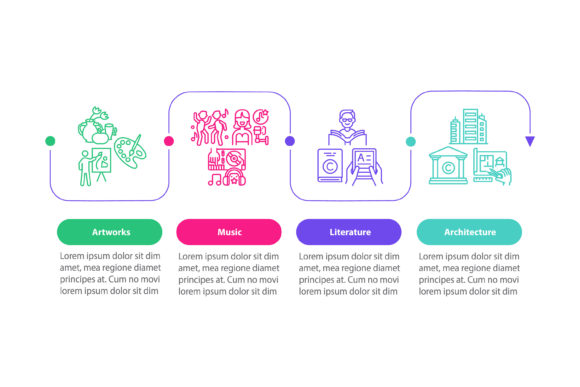
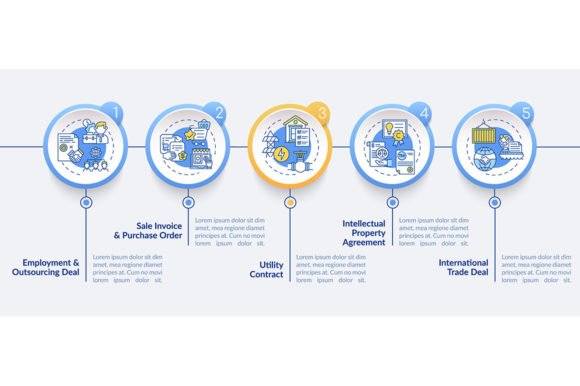
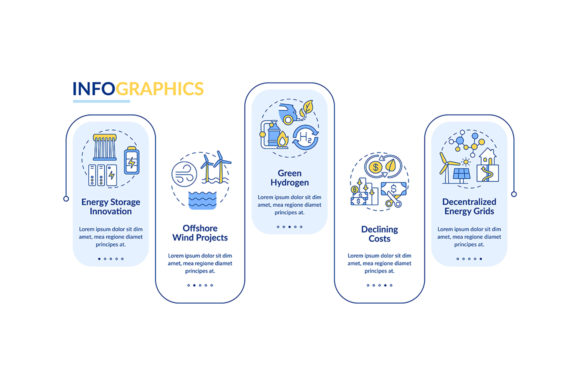
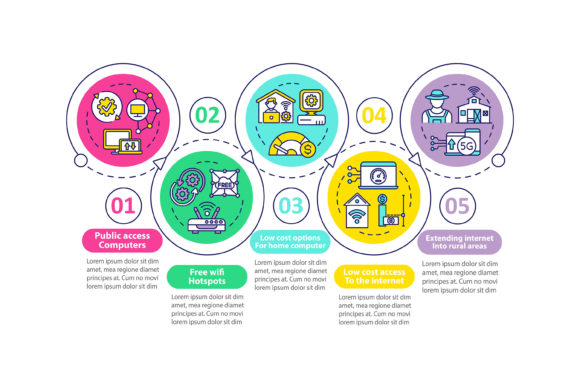
When I first opened the Digital Inclusion Measures vector infographic template, I was immediately drawn to its clean layout and structured visual storytelling. The design feels professional yet approachable, making it ideal for explaining complex topics like digital inclusion in a way that's easy to digest. The use of linear icons and a five-step process timeline gives it a logical flow that’s perfect for educational or presentation-based embroidery projects.
The mood it creates is one of clarity and purpose. It doesn’t feel overly technical or rigid, which makes it versatile enough to be used in both personal and commercial embroidery work. The detail level is just right—not too busy, but not too simple either. This makes it a great candidate for embroidered patches, tote bags, or even custom apparel where the message needs to be clear at a glance.
Real-Life Scenario: Embroidered Tote Bag with Digital Inclusion Measures
Imagine preparing a custom embroidered tote bag for a local community center focused on digital literacy. You want the design to reflect their mission without being overwhelming. Digital Inclusion Measures would fit perfectly here. Its structured layout can be adapted into a simplified version that highlights key steps in the digital inclusion process.
I envision the design stitched in soft pastel thread colors against a light fabric background, creating a gentle yet informative look. The linear icons would translate well into satin stitch elements, giving the tote a polished, handmade appearance. The simplicity of the infographic ensures that the message remains clear even from a distance, which is crucial for promotional items like tote bags.
Customers would likely appreciate the thoughtful design and the message behind it. It adds value to the product, making it more than just a tote—it becomes a statement piece about accessibility and education. For an Etsy seller or small shop owner, this kind of detail can make all the difference in customer engagement and repeat sales.
Performance in Real Embroidery Projects
Digital Inclusion Measures has a lot of potential when it comes to custom apparel, sweatshirts, t-shirts, and even baby clothes. The structured layout works well on flat surfaces like tote bags or pillow covers. However, it may need simplification for curved surfaces such as caps or hats, where the design might lose some of its clarity.
For detailed corners or areas with dense stitch patterns, I’d recommend testing the design on scrap fabric first. This will help ensure that the stitch density doesn’t cause puckering or distortion, especially on stretchy fabrics like knits or jerseys. Using a proper stabilizer is essential to maintain the integrity of the design and prevent shifting during stitching.
If you're planning to use this design on dark fabrics, checking the thread color contrast is important. While the original design uses a neutral palette, adjusting the thread colors to stand out against darker backgrounds can enhance visibility and visual appeal.
This infographic could also work well as an embroidered patch or part of a larger applique design. Its modular nature allows for customization, making it suitable for personalized gifts, holiday embroidery, or boutique branding. Just be sure to review the stitch count and hoop size requirements before finalizing your project.
Where to Use with Caution
While Digital Inclusion Measures is a strong design, there are certain scenarios where it might require extra attention. For example, using it on small hoop sizes could lead to loss of detail, especially in the icon elements. If you’re working on a tiny patch or a delicate item like a baby garment, scaling down the design may be necessary.
Textured fabrics or thin materials may also present challenges. The intricate lines and shapes in the infographic could become less defined if not properly stabilized. Similarly, frequent washing might affect the longevity of the design, so recommending high-quality thread and proper care instructions is a good idea for commercial products.
Products that require frequent washing, like aprons or kitchen towels, should be tested for durability. Ensuring that the design holds up over time will contribute to customer satisfaction and brand reputation.
Design Notes for Embroidery Professionals
Before committing to a project using Digital Inclusion Measures, take the time to test it on scrap fabric. Check how the thread colors interact with your chosen fabric texture and background. Review the stitch density to avoid issues with fabric puckering or distortion.
Confirm the hoop size required for your machine embroidery design and adjust the layout if needed. Inspect small details closely—especially if you plan to use the design in black and white mockups or on dark fabric backgrounds. Always use the appropriate stabilizer to keep your finished product looking sharp and professional.
Finally, check whether the design is suitable for both personal and commercial use. If you're planning to sell finished items or digital embroidery files, confirm the licensing terms to avoid any legal issues. As a designer, knowing these details upfront can save time and headaches later on.
Digital Inclusion Measures offers a lot of practical value for embroidery designers and creative entrepreneurs. Whether you're crafting a handmade product, designing for a small business, or preparing a gift for a special occasion, this infographic brings clarity and professionalism to your work. Just remember to tailor it to your specific needs and always test before finalizing your project.